Samsung Rethinks the Galaxy Z Fold: How the Fold8 Differs From the Fold7
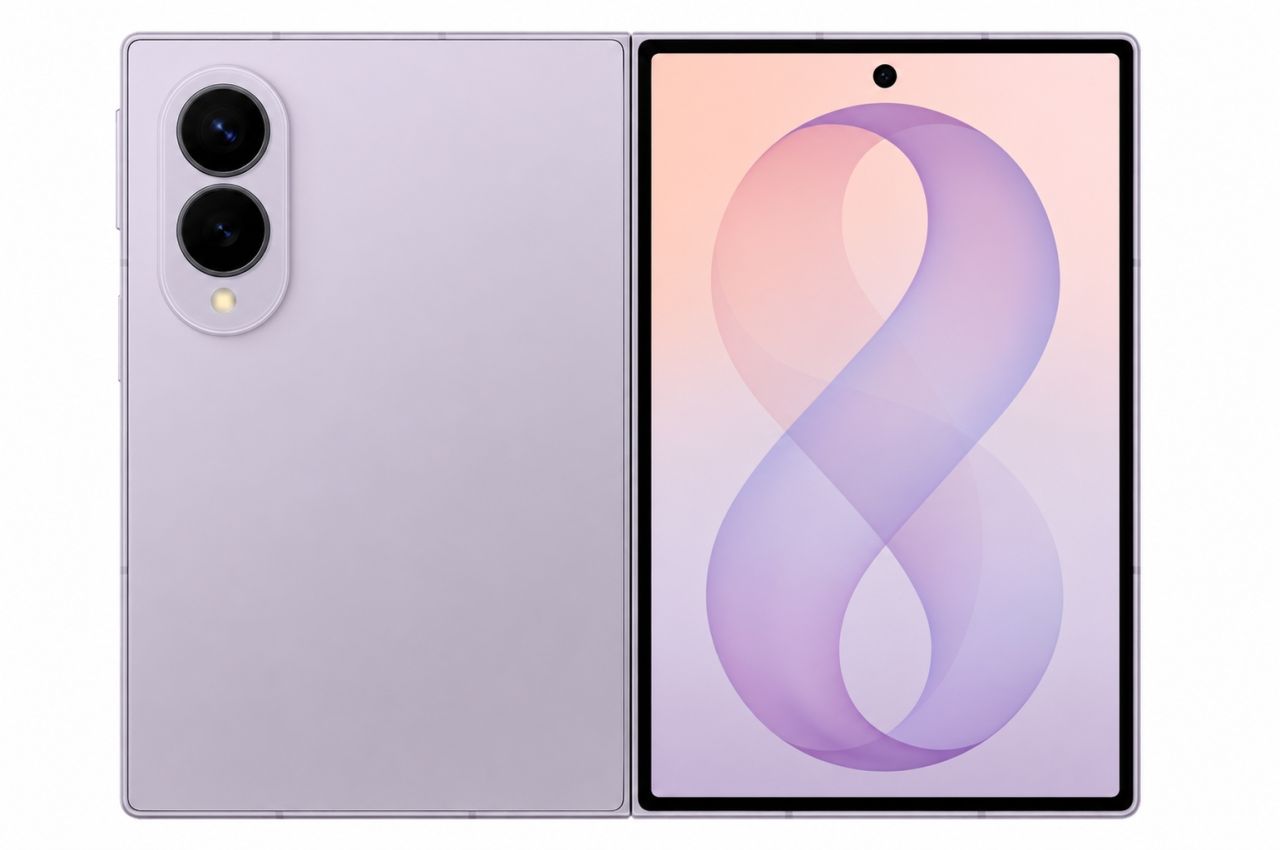
Samsung has released two book-style foldables at once for the first time, and the Galaxy Z Fold8 turned out to be the more surprising of the pair. Instead of repeating its predecessor's design, the company rotated the body: folded, the phone is shorter and wider, while unfolded it feels more like a compact wide-screen tablet than an elongated book.
A new body and screen geometry
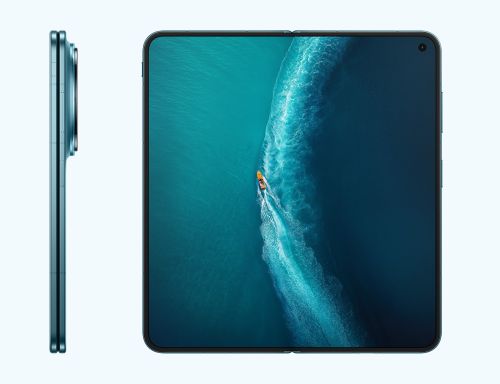
The Galaxy Z Fold7 was built around an elongated body with an 8-inch inner display and a narrow 6.5-inch cover screen in a 21:9 ratio. The Galaxy Z Fold8 follows a different logic. Its main screen is smaller at 7.6 inches, but a resolution of 1848 × 2448 gives it near-tablet proportions, so video and web pages fill much more of the panel. The cover display has shrunk to 5.5 inches yet become considerably wider, which makes typing on it easier when the phone is closed. The change in proportions is just as noticeable in the dimensions. The newer model is visibly shorter and slips into a pocket more easily, but it is also wider and slightly thicker when folded. Weight has dropped from 215 to 201 grams.
The Galaxy Z Fold8's main screen uses a new Flex Titanium structure with a titanium layer beneath the flexible panel. According to the manufacturer, this makes the display more rigid around the crease.
Performance and battery life
The new model runs on the Snapdragon 8 Elite Gen 5 for Galaxy with a peak clock of 4.74 GHz, while the Galaxy Z Fold7 uses the Snapdragon 8 Elite for Galaxy topping out at 4.47 GHz. Memory configurations are unchanged between generations: 12 GB of RAM for the 256 GB and 512 GB versions, and 16 GB for the 1 TB model.
The far more noticeable upgrade concerns power. The battery has grown from 4400 to 4800 mAh, and wired charging has risen from 25 to 45 W. Wireless charging has gone up from 15 to 20 W. For the Galaxy Z Fold line this is the first meaningful move in that direction in several generations, since slow charging was regularly named as a weak point of earlier models.
Samsung states that 45 W charging refills the Galaxy Z Fold8's battery to roughly 63% in 30 minutes, provided a compatible adapter and a 3 A cable are used.
Cameras: fewer modules than before
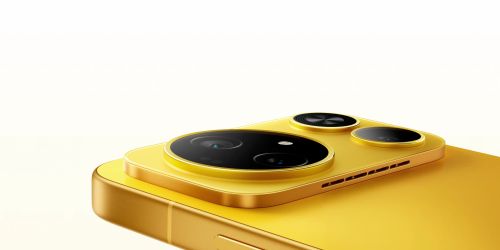
Photography is exactly where the Galaxy Z Fold8 falls behind last year's model. Its camera array consists of two modules: a 50 MP wide-angle with optical stabilisation and a 50 MP ultra-wide with a 120-degree field of view. The Galaxy Z Fold7 has three cameras, including a 200-megapixel main sensor and a separate telephoto with 3x optical zoom.
The practical difference shows up mainly when shooting distant subjects. The Galaxy Z Fold7 zooms in three times without losing detail and offers Space Zoom up to 30x, whereas the Galaxy Z Fold8 is limited to 2x optical-quality zoom and 10x digital. The front cameras are identical across both generations: 10 MP on the cover screen and 10 MP on the main screen. Video, on the other hand, is broader on the newer model, which records 4K at up to 120 frames per second against 60 frames on its predecessor.
Software platform and support
The Galaxy Z Fold8 ships with Android 17 and the One UI 9 interface, while the Galaxy Z Fold7 launched on Android 16 and One UI 8. Both phones support Samsung DeX and the full set of Galaxy AI features, and on the wireless side the newer model adds only Bluetooth 6.0 in place of 5.4. Wi-Fi 7, NFC and UWB are present on both generations.
Samsung promises seven generations of Android updates and seven years of security updates for both models, so the Galaxy Z Fold7 will keep receiving new system versions for several more years.
Specifications compared
Galaxy Z Fold8
Galaxy Z Fold7
Who should upgrade from the Galaxy Z Fold7
The upgrade makes sense for anyone who values a compact folded body and a wide screen for video, reading and browsing. Those users also get a larger battery, much faster charging and a newer processor, all at a lower starting price than last year. If the main use case is photography or working on a large inner display, there is far less reason to switch. The Galaxy Z Fold7 keeps its 200-megapixel camera, a telephoto lens and an 8-inch display, and on those counts it remains the stronger phone.