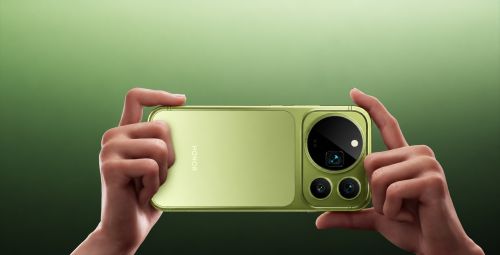
Huawei Unveils Mate 90 With Kirin 9030 and 6,600 mAh Battery
Huawei has introduced the HUAWEI Mate 90, the entry model in its new flagship series alongside the Mate 90 Pro, Mate 90 Pro Max and Mate 90 RS. The phone runs on a Kirin 9030 processor and HarmonyOS 7 with a 6,600 mAh battery, and Huawei says overall performance is up 27% over the Mate 80. Even the base version gets a telephoto camera with 4x optical zoom and IP68 and IP69 protection.
Kirin 9030 and graphics
According to Huawei, the Kirin 9030 beats the Mate 80's Kirin 9020 by 13% in CPU performance, 54% in graphics and 13% in NPU workloads. The overall 27% figure comes from Huawei's own lab, comparing the Mate 90 on HarmonyOS 7 with the Mate 80 on HarmonyOS 6, so it reflects the chip and the software together.
Graphics saw the biggest jump, and Huawei is pitching the phone at gamers. The chip supports hardware ray tracing, which the company says handles up to 31 million rays per second in Wuthering Waves, although ray tracing currently works only in certain scenes.
Display and build
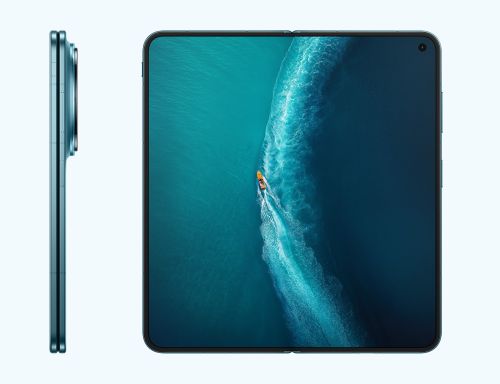
The Mate 90 has a 6.75-inch OLED panel with a 2832 × 1280 resolution and an LTPO adaptive refresh rate from 1 to 120 Hz. High-frequency 1440 Hz PWM dimming matters for people sensitive to flicker, while the 300 Hz touch sampling rate helps in games.
The screen is covered by third-generation Kunlun Glass, and the body uses Huawei's Xuanwu architecture with an ultra-durable fiber material. Huawei claims improved drop resistance over the Mate 80 but gives no specific figures. The phone is rated IP68 (submersion up to 6 m for 30 minutes) and IP69, meaning it can withstand high-pressure, high-temperature water jets.
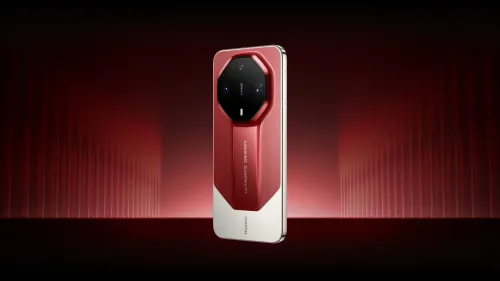
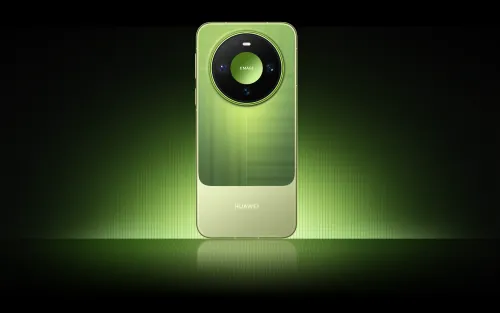
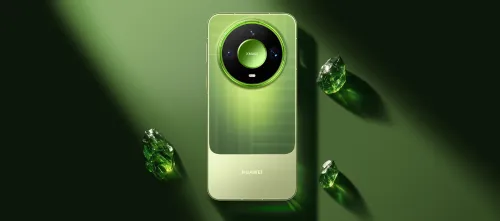
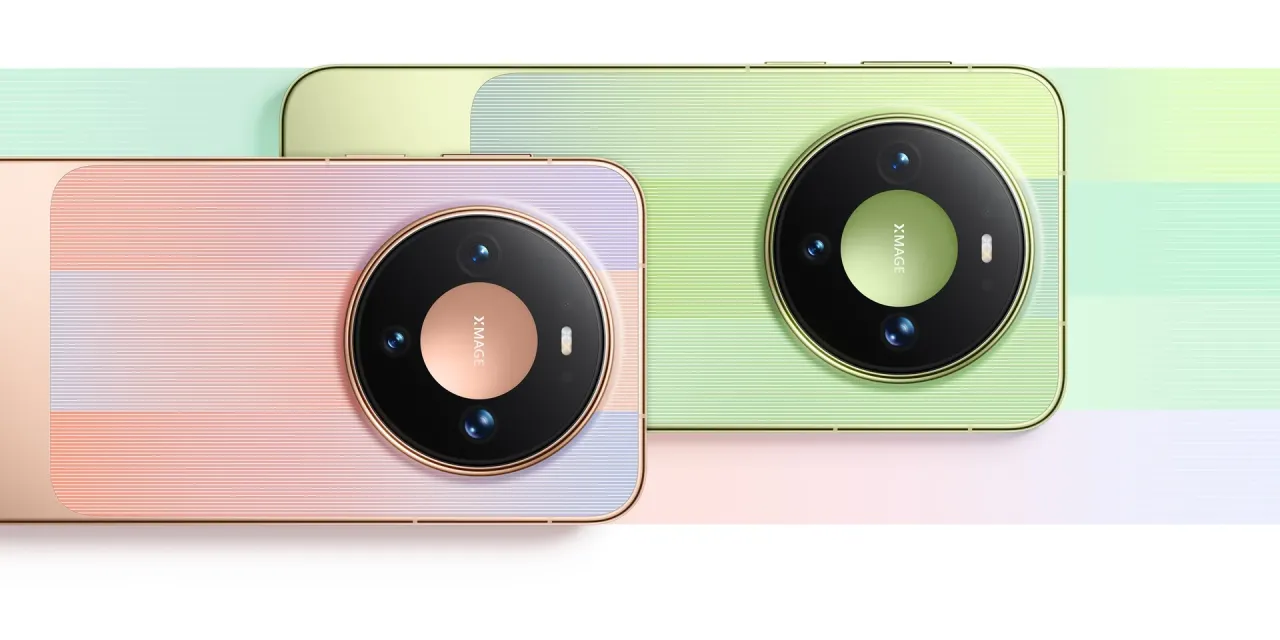
It measures 7.95 mm thick and weighs about 217 g. The green and pink versions get a distinct back design with a three-dimensional crystal-lattice pattern made from glass fiber and a shifting multicolor finish.
Cameras
The 50 MP main camera has a variable aperture of F1.4–F4.0 and optical image stabilization. It is joined by a 40 MP ultra-wide camera and a 50 MP telephoto with OIS, offering 4x optical zoom (88 mm equivalent) and 8x optical-quality zoom. All three sensors use RYYB arrays, which let in more light than conventional RGGB designs.
The camera module also includes a third-generation Red Maple color camera, designed to reproduce natural skin tones in portraits. XMAGE features suggest poses for group shots and help with framing, and for food photos they recommend plating ideas. Pose suggestions work in photo and portrait modes within the 4x focal range.
On the front, a 13 MP autofocus camera is paired with a 3D depth sensor for face unlock, and both front and rear cameras record video at up to 4K. A new livestreaming mode automatically shifts focus to products held up to the camera and keeps the speaker's voice clear in noisy outdoor settings.
Battery life
The battery has a typical capacity of 6,600 mAh (6,415 mAh rated). It supports up to 66 W wired and 50 W wireless charging, though wireless charging requires a separately sold Huawei charger. The phone can also charge other devices both by cable and wirelessly.
For hiking and other outdoor trips, there is a dedicated outdoor mode. Huawei says its extreme power-saving setting keeps the Mate 90 running for up to 15 days, and screen-off route navigation lasts up to 36 hours. After a software update, a Huawei watch will be able to trigger an emergency call through the phone if its owner falls and share their location.
Connectivity
The main connectivity addition is a mutual-assistance feature that lets up to four HarmonyOS 7 devices pool their network resources. In congested networks such as concerts or train stations, Huawei promises file transfer speeds up to 40% faster. The antenna system combines Wi-Fi and cellular and automatically switches to the more stable link.
The phone can send BeiDou satellite messages, including photos, but the feature is limited to mainland China. Other wireless options include Wi-Fi 7, Bluetooth 6.0 and Huawei's own NearLink technology.
HarmonyOS 7 and AI
The Mate 90 runs HarmonyOS 7, with most AI features built around the Xiaoyi assistant. Some of them will arrive only through an over-the-air update.
Xiaoyi calling lets the assistant place calls on your behalf, such as booking a restaurant table, answer incoming calls when you are busy, translate conversations in real time and produce a short summary afterward.
Fake voice detection works at the system level to identify synthesized voices during audio and video calls, helping prevent scammers from impersonating people you know. For now it supports regular calls, MeeTime and WeChat.
Xiaoyi notes saves whatever is on screen with a swipe down, including posts from third-party apps and voice-dictated to-dos, and automatically sorts them into collections.
The gallery adds photo editing and video creation from a single spoken prompt, as well as turning photos into 3D animations. Data protection is handled by an MSP security processor with support for post-quantum cryptography.
The HUAWEI Mate 90 was announced on October 1, 2026, and went on sale in China the same day. The 12/256 GB version costs 5,999 yuan (~$845), the 12/512 GB model 6,999 yuan (~$985), and the 12 GB/1 TB model 8,499 yuan (~$1,195).
Specifications
- Display: 6.75" OLED, 2832 × 1280, LTPO 1–120 Hz, 1440 Hz PWM, 300 Hz touch sampling, P3, third-generation Kunlun Glass
- Processor: Kirin 9030
- Memory: 12 GB RAM, 256 GB / 512 GB / 1 TB, no microSD support
- Rear cameras: 50 MP (F1.4–F4.0, OIS, RYYB), 40 MP ultra-wide (F2.2, RYYB), 50 MP telephoto (F2.2, OIS, RYYB, 4x optical zoom), third-generation Red Maple color camera
- Front camera: 13 MP (F2.0, autofocus), 3D depth sensor
- Video: up to 4K
- Battery: 6,600 mAh (typical), 66 W wired, 50 W wireless, 5 W reverse wired and reverse wireless charging
- OS: HarmonyOS 7
- Connectivity: Wi-Fi 7, Bluetooth 6.0, NearLink E2.0, NFC, BeiDou satellite messaging, 2 nano-SIM + eSIM, USB Type-C 3.1 Gen 1
- Navigation: GPS (L1 + L5), BeiDou, GLONASS, Galileo, QZSS, NavIC
- Biometrics: 3D face recognition, side-mounted fingerprint sensor
- Protection: IP68 (up to 6 m), IP69
- Dimensions and weight: 161.9 × 75.7 × 7.95 mm, about 217 g
Crystal Green Crystal Pink Zero-Degree White Obsidian Black