Xiaomi Unveils Pad 9 Pro Max Tablet With 13.3-Inch Screen and Xring O3 Chip
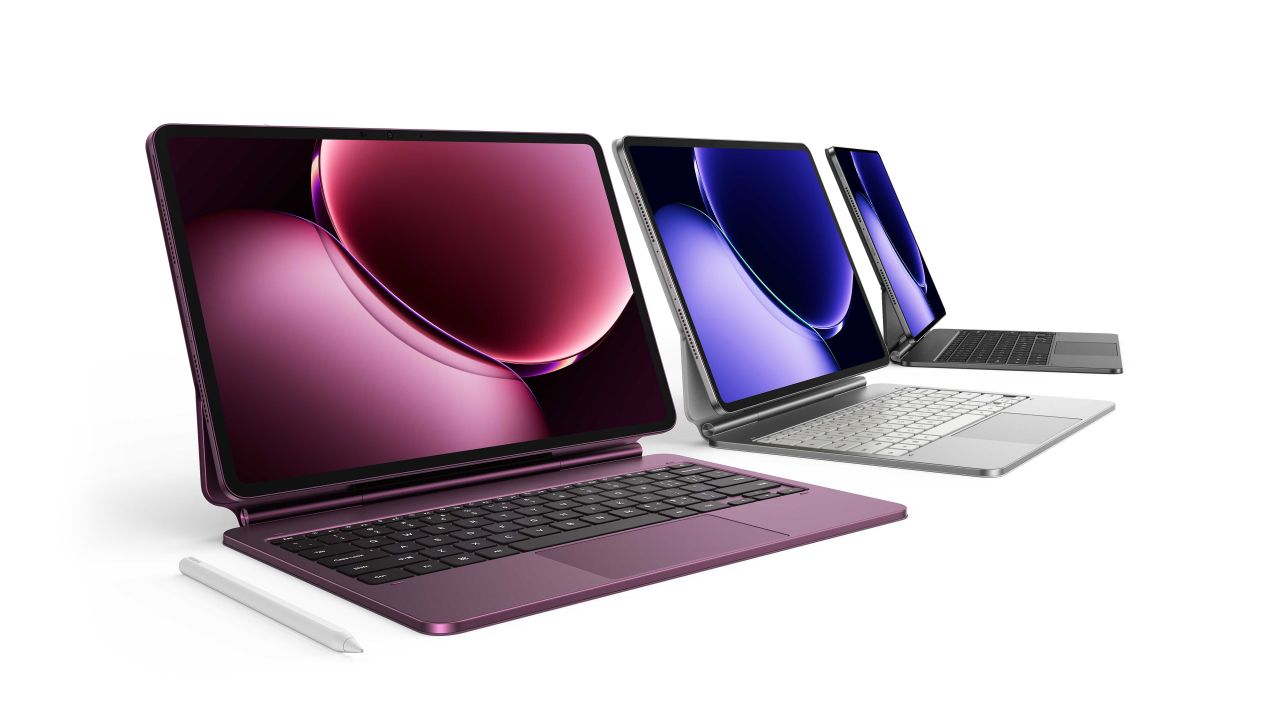
Xiaomi has introduced the Xiaomi Pad 9 Pro Max, the largest tablet in its line-up and the first device of this class to run on the company's in-house Xring O3 processor. The manufacturer positions the model as a laptop replacement rather than a companion device: a 13.3-inch screen, support for PC-grade applications and an external monitor mode shift the focus from entertainment to work.
13.3-inch screen and body
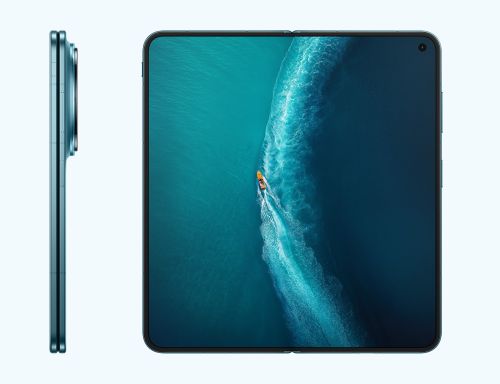
The tablet uses a 13.3-inch LCD panel with a resolution of 3408×2272 pixels, a 3:2 aspect ratio and a 144Hz refresh rate. The 3:2 proportions are closer to a sheet of paper than the 16:10 format common in tablets, so documents and graphics editors fit noticeably more content vertically. Peak brightness reaches 1000 nits, while colour accuracy is rated by the manufacturer at ΔE≈0.47. A separate edition adds a matte nano soft light coating that cuts glare and reflections.
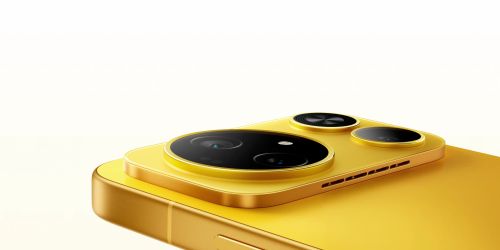
Despite the large diagonal, the body remains slim: the metal unibody chassis is 5.67mm thick and weighs 645g in the standard version and 653g in the matte-screen edition. The camera block is shaped as an elongated oval carrying the XRING logo.
Xring O3 and battery life
The key technical change in this generation is Xiaomi's own Xring O3 processor built on a 3nm process. It relies on ten large cores: two C1-Ultra units run at 4.35GHz, four C1-Premium cores at 3.68GHz and another four C1-Pro cores at 3.15GHz. AI-related calculations are handled by a four-core NPU, while graphics rely on the 16-core G2-Ultra NX, which Xiaomi says is 85% faster than the previous generation while consuming 64% less power.
Memory configurations start at 8GB of LPDDR5X and go up to 16GB of LPDDR6, with UFS 4.1 storage available from 256GB to 1TB. Power comes from a 12,000mAh battery with 120W wired charging, a reserve intended to cover a full working day on a large display.
HyperOS 4 and PC workflows
The tablet is among the first devices to ship with HyperOS 4, a version of the software that Xiaomi has specifically tuned for large screens. The system runs full versions of professional applications including WPS, CapCut Pro and Pixel Cake, while the built-in browser gains vertical tabs, tab grouping and web page translation.
The full-featured USB-C port supports DP-in, so the tablet can be connected to a computer, a console or a handheld gaming device and used as an external monitor or a drawing display.
Multi-window mode scales to six applications at once, offering a split screen with adjustable proportions, three independent windows and a panoramic six-window layout.
The Focus Stylus Pro and the TourBox controller can be used simultaneously, letting artists draw with one hand and switch tools with the other.
Audio and cameras
For video calls and media playback the manufacturer fitted an eight-speaker system with Dolby Atmos and Hi-Res Audio support, along with a six-microphone array with noise reduction. The front camera offers 32MP resolution and records video at up to 1080p, while the 50MP rear camera supports 4K capture.
The Xiaomi Pad 9 Pro Max has gone on sale in China: the 8/256GB version costs 4,799 yuan (~$715), the top 16GB/1TB configuration with the matte screen is priced at 7,899 yuan (~$1177), and the keyboard case costs 1,099 yuan (~$163).
Specifications
- Display: 13.3" LCD, 3408×2272, 3:2, 144Hz, up to 1000 nits, ΔE≈0.47; optional nano soft light matte coating
- Processor: Xiaomi Xring O3 (3nm), 10 cores up to 4.35GHz, 16-core G2-Ultra NX GPU, four-core NPU
- Memory and storage: 8GB LPDDR5X / 12GB / 16GB (LPDDR5T, LPDDR6); 256GB, 512GB, 1TB UFS 4.1
- Cameras: 50MP main with LED flash, 4K 60fps video; 32MP front, 1080p 60fps video
- Audio: 8 speakers, 6 microphones, Dolby Atmos, Hi-Res Audio
- Battery: 12,000mAh, 120W wired charging
- OS: Xiaomi HyperOS 4
- Connectivity: Wi-Fi 7, Bluetooth 6.0, USB-C 3.2 Gen2 with DP-in support
- Dimensions and weight: 296.2 x 203.08 x 5.67mm; 645g (standard version), 653g (matte screen version)
Burgundy Red Black Silver