Samsung Reportedly Cuts Galaxy S27 Ultra Cameras to Three
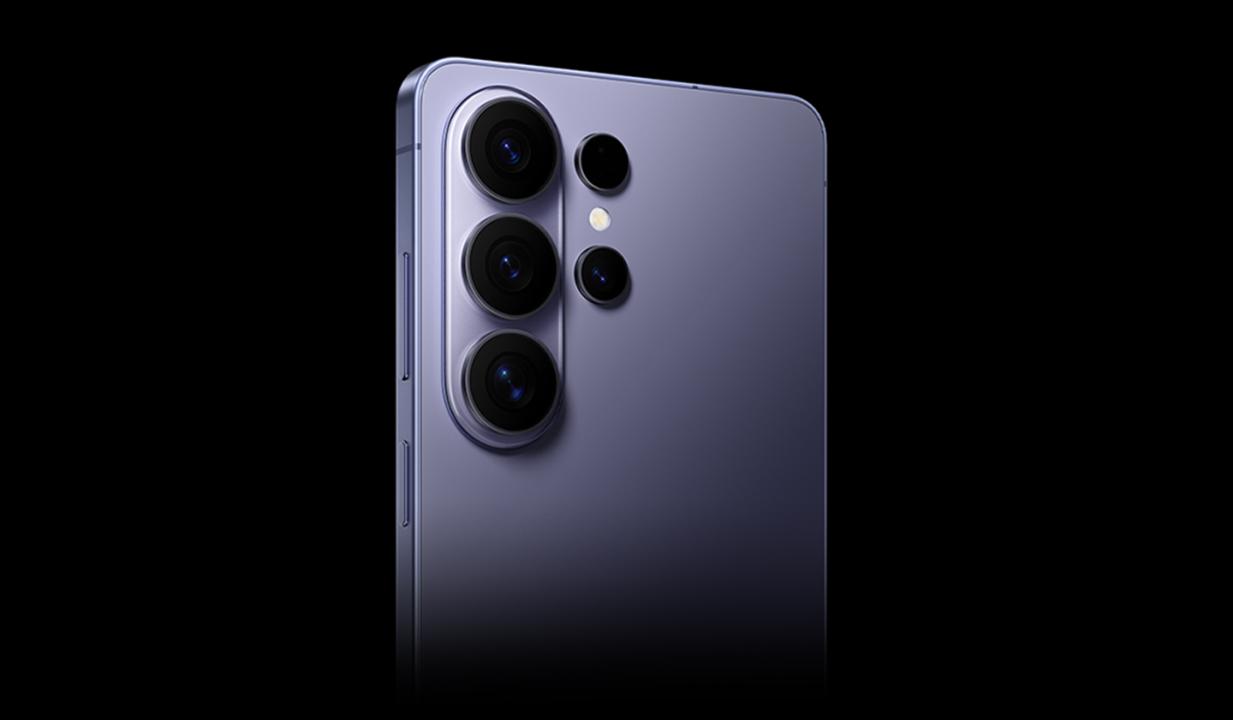
Samsung Electronics is reportedly planning to reduce the number of rear cameras across its upcoming Galaxy S27 lineup, expected to launch next year. According to South Korean outlet Etnews, citing industry sources, every model in the series will carry three rear cameras, down from four on the current Galaxy S25 Ultra.
Sources cited by Etnews say the change is tied to a sharp rise in semiconductor and component prices. By trimming a camera from the Ultra, the best-selling model in the lineup, Samsung is reportedly aiming to curb rising production costs and keep Galaxy S27 pricing in check.
What changes for the Ultra's cameras
According to the report, the Galaxy S27 Ultra will reportedly drop the 10-megapixel, 3x optical zoom telephoto camera carried over from previous generations, while keeping its 50-megapixel, 5x periscope zoom camera. In its place, Samsung is said to be introducing a new model, Galaxy S27 Pro, which would use a 12-megapixel, 3x zoom telephoto camera instead.
- Galaxy S27 Pro (unconfirmed): 200MP main camera, 50MP ultra-wide, 12MP 3x zoom telephoto
- Galaxy S27 Ultra (unconfirmed): 200MP main camera, 50MP ultra-wide, 50MP 5x zoom periscope camera
The report also claims camera modules for the Pro and Ultra models will be supplied by Samsung Electro-Mechanics, Namuga, Partron, Powerlogics, and China's Sunny Optical.
An industry official told Etnews: "Cameras have technically reached a saturation point in image quality. Given the intense pressure on manufacturing costs, this decision appears to have been made to cut expenses."
Why it matters for the Ultra
The Ultra remains the best-selling model in the Galaxy S lineup, according to Counterpoint Research. It accounted for 46% of global Galaxy S25 series sales last year. That's why even a modest reduction in components on this model could meaningfully affect the overall cost structure of the series.
Samsung has not officially confirmed any of this, and the specifications above should be treated as unverified information from industry sources.