Samsung Galaxy S26 FE vs Samsung Galaxy S25 FE: Key Differences
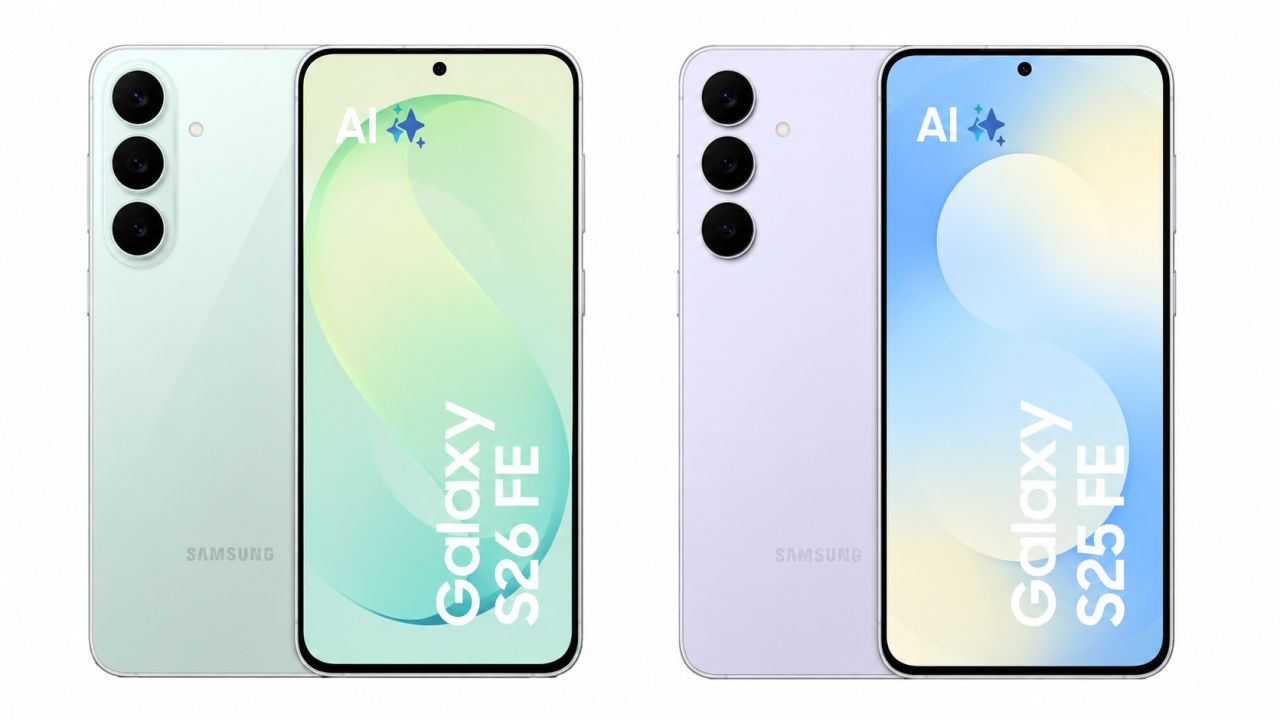
Samsung has taken a cautious approach to the affordable member of its flagship family. The Galaxy S26 FE keeps the body shape, the display and the camera set of its predecessor, while the changes are concentrated inside, in the chipset and the software platform. The Galaxy S25 FE stays close to the newer phone on almost every key parameter, so the gap between the two generations is about hardware and system version rather than about features.
Body and display
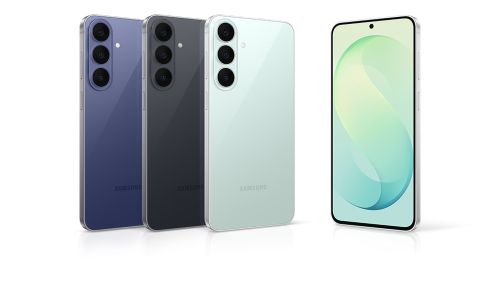
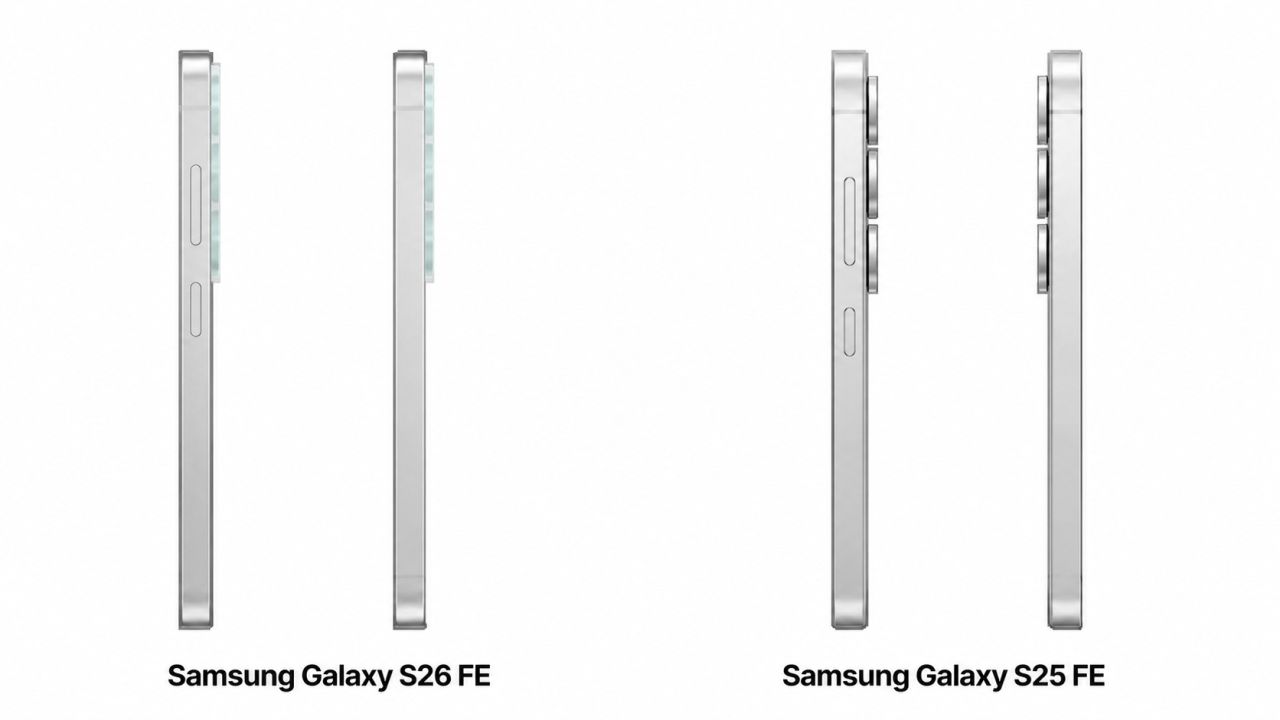
The Galaxy S26 FE follows the familiar formula of the series: a glass back protected by Corning Gorilla Glass Victus+, an aluminium frame and IP68 dust and water resistance. The body has grown slightly and gained a little weight, although the difference is barely noticeable in daily use.
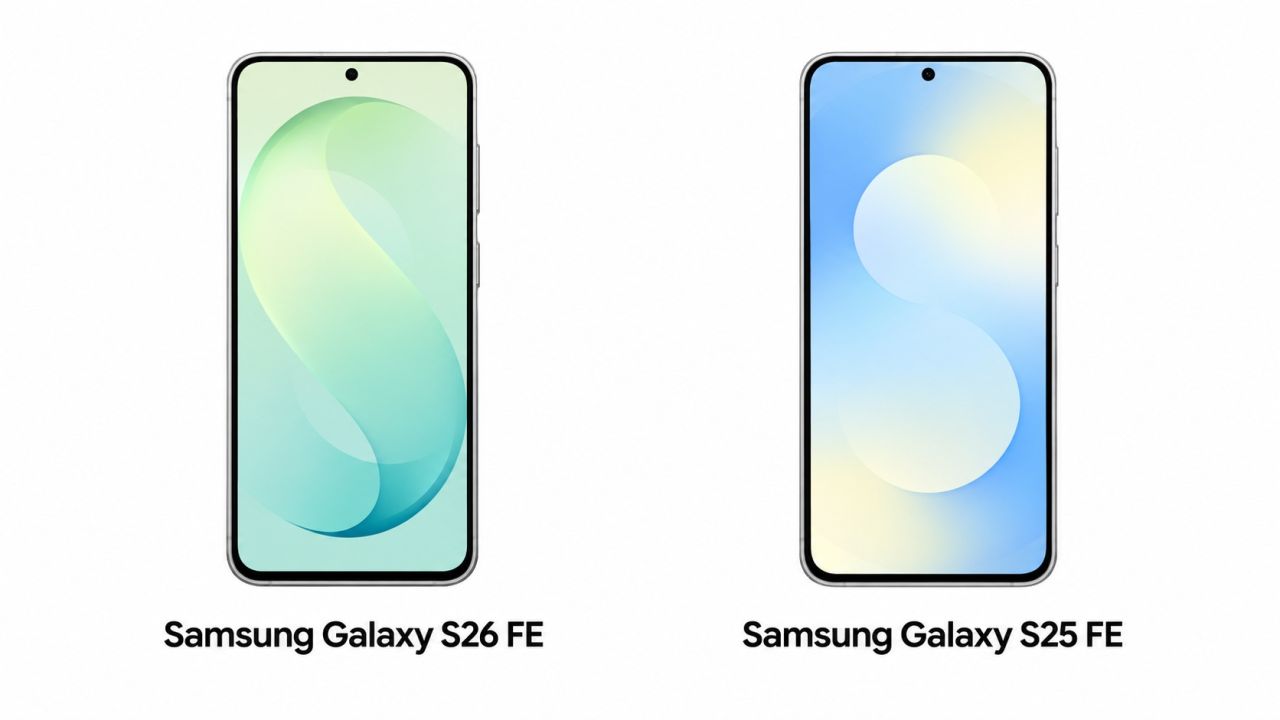
The display is a 6.7-inch Dynamic AMOLED 2X panel with Full HD+ resolution and a refresh rate of up to 120 Hz. The Galaxy S25 FE uses a screen with the same size, panel type, resolution, pixel density and protective glass, so the two generations look identical in this respect.
Performance and software
The main change of the generation concerns the hardware platform. The Galaxy S26 FE runs on the ten-core Exynos 2500 with Samsung Xclipse 950 graphics and ships with Android 17 and the One UI 9 interface. It has 8 GB of RAM and no memory card support.
The Galaxy S25 FE is built around the Exynos 2400 with Xclipse 940 graphics and launched on Android 16 with One UI 8. Both chips have the same core count, but the clock distribution differs: the newer model runs its most powerful core faster, while the intermediate clusters are clocked lower. As a result, the gain depends on the scenario and is most visible in graphics-heavy tasks.
The Galaxy S26 FE is powered by the Exynos 2500 chip with Xclipse 950 graphics, a new generation of Samsung's in-house platform.
Cameras
The Galaxy S26 FE has a three-module camera set: a 50 MP wide-angle sensor with optical stabilisation and Dual Pixel autofocus, a 12 MP ultra-wide camera and an 8 MP telephoto lens with 3x optical zoom and its own stabilisation. The selfie camera is 12 MP, and video recording goes up to 8K.
The Galaxy S25 FE carries exactly the same modules, the same apertures and the same zoom capabilities. Optically the two generations are identical, so any difference in the final shots can only come from image processing on the newer platform.
Battery and charging
The Galaxy S26 FE has a 4900 mAh battery, wired charging of up to 45 W, 15 W wireless charging and reverse power for earbuds or a watch. Its claimed video playback time is one hour longer than that of the Galaxy S25 FE, which has an identical battery capacity and the same charging speeds, so the small advantage comes from a more efficient platform rather than from a bigger cell.
With 45 W charging, the Galaxy S26 FE reaches 65% in 30 minutes when a compatible adapter and a 5 A USB Type-C cable are used.
Samsung rates the battery of the Galaxy S26 FE at a minimum of 1200 charging cycles.
Specifications compared
Galaxy S26 FE
Galaxy S25 FE
What changes in practice
Moving from the Galaxy S25 FE to the Galaxy S26 FE does not change how the phone is used: the display, the cameras, the battery capacity and the charging speeds have stayed the same. The real difference comes down to a newer chip, a fresher system version and slightly longer battery life.
The Galaxy S26 FE therefore makes sense for buyers coming from a much older phone or choosing their first device in this class, since it starts from the current Android version and its update cycle will end later. The Galaxy S25 FE remains a sensible option if it can be found cheaper or in a configuration with more storage, because in everyday tasks, photography and battery life it is practically on par with the newer model.